Strait of Hormuz tensions ripple through Sri Lanka’s economy
A distant conflict is felt at home through fuel prices, a weaker rupee and nervous tourists.
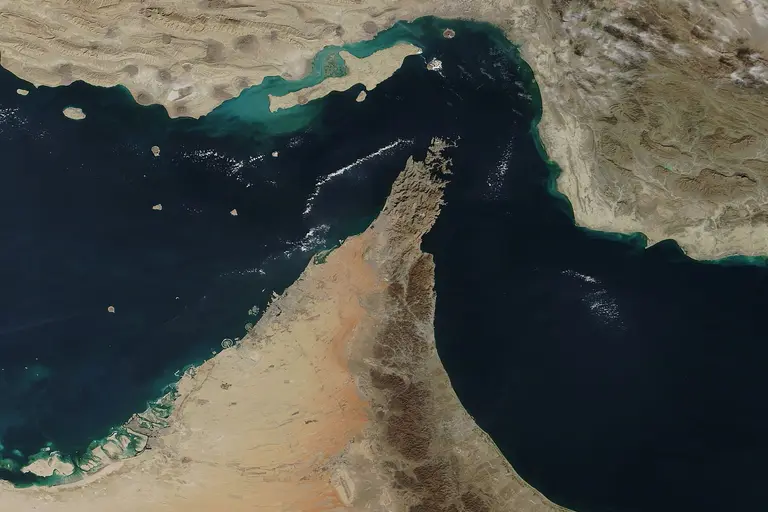
A conflict thousands of kilometres away is being felt acutely in Sri Lankan households. Tensions around the Strait of Hormuz, through which much of the world’s oil passes, have pushed up energy costs and unsettled the rupee.
Since the fighting began, the currency has weakened by around 14 percent as tourism and remittance inflows have softened — a reminder of how exposed the island remains to external shocks.
Why a far-off strait matters
For an import-dependent economy, the price of crude shapes everything from transport to food. Officials are watching the shipping lane closely, knowing that any disruption there lands quickly on Sri Lankan forecourts.
Dilani reports on international diplomacy, conflict and Sri Lanka’s place in the world.
Aisha writes on macroeconomics, the rupee and Sri Lanka’s recovery from default.